
01
02
03

01
02
03
01
02
03

Since 2005
20+ Year Experience

About Us
As organizations adopt AI, automation, machine identities, and autonomous agents, identity is no longer limited to workforce users, customers, and privileged accounts. Today, identities include service accounts, applications, APIs, bots, non-human identities, and AI agents that can act, decide, delegate, and access sensitive data at machine speed.
Our mission is to help security, IAM, IGA, PAM, and Zero Trust leaders understand how artificial intelligence is transforming identity.
20+
Year Of Experience
100+
Projects Completed
90%
Satisfied User
20+
Award Win
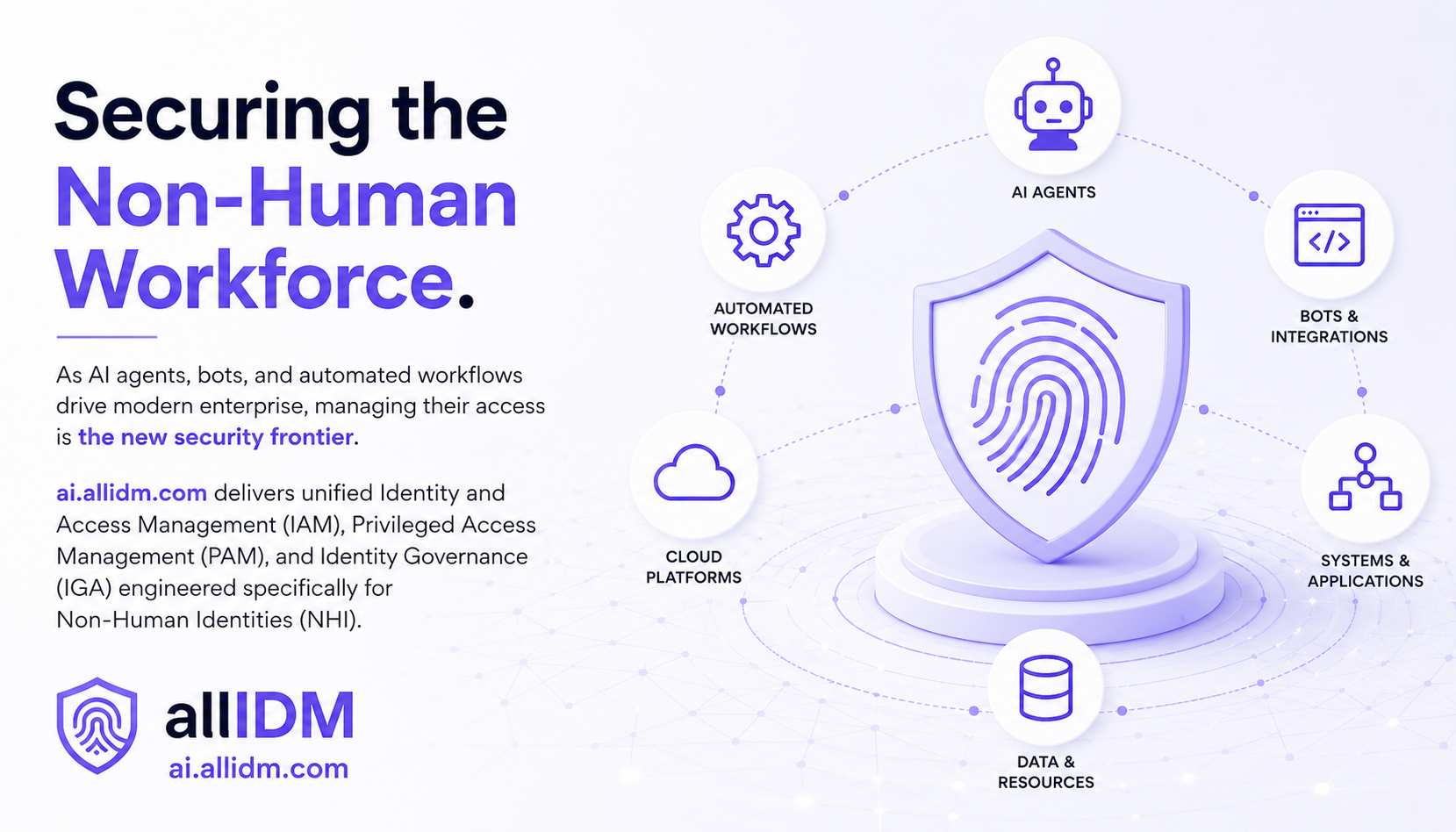
Claude Opus 4.8 is faster, smarter, and three times cheaper to run at speed — the model your agentic workflows just got a significant upgrade. Anthropic has released Claude Opus 4.8, an upgrade to Opus 4.7 with across-the-board benchmark improvements and better collaborative performance, available today at the same price. Alongside the model, three new…
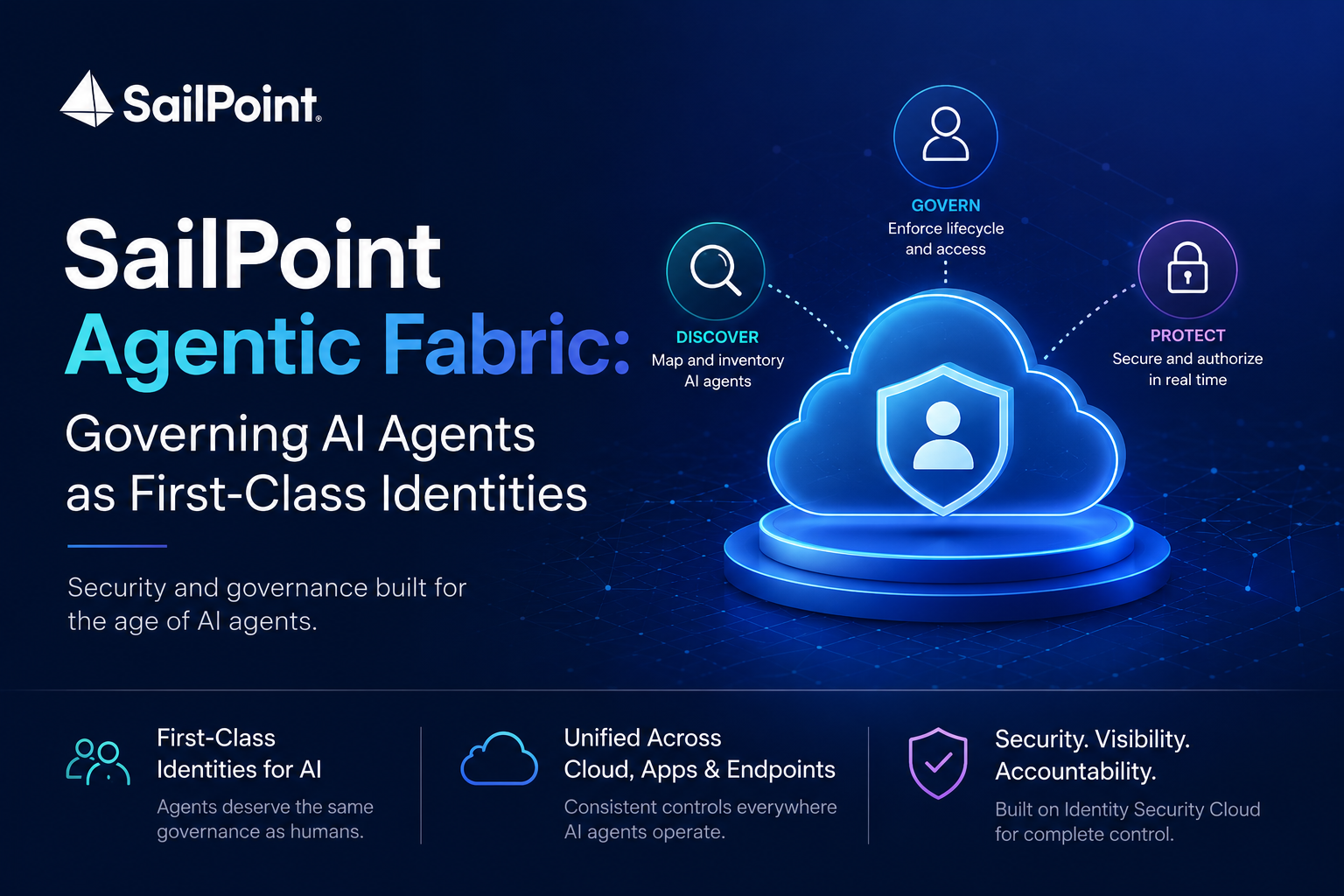
SailPoint just drew the sharpest line yet in the industry: AI agents are identities, and they need the same governance rigor as any privileged human account. Announced May 11, 2026, SailPoint Agentic Fabric is a dedicated product line for governing non-human identities — specifically the AI agents now proliferating across cloud environments, applications, and endpoints.…

SailPoint just made Claude Enterprise users, groups, and AI agents governable identity objects — the same rigor you apply to a privileged account now applies to your AI platform. SailPoint’s integration with Anthropic’s Claude Compliance API extends Identity Security Cloud to cover Claude Enterprise deployments. IAM teams get unified visibility into Claude users, groups, and…
80% of organizations say their AI agents have already taken unintended actions — and most still have no identity governance layer around them. AI agents are being deployed into production pipelines right now — accessing systems, executing tasks, and touching sensitive data at machine speed with no human in the loop. That’s not a future…
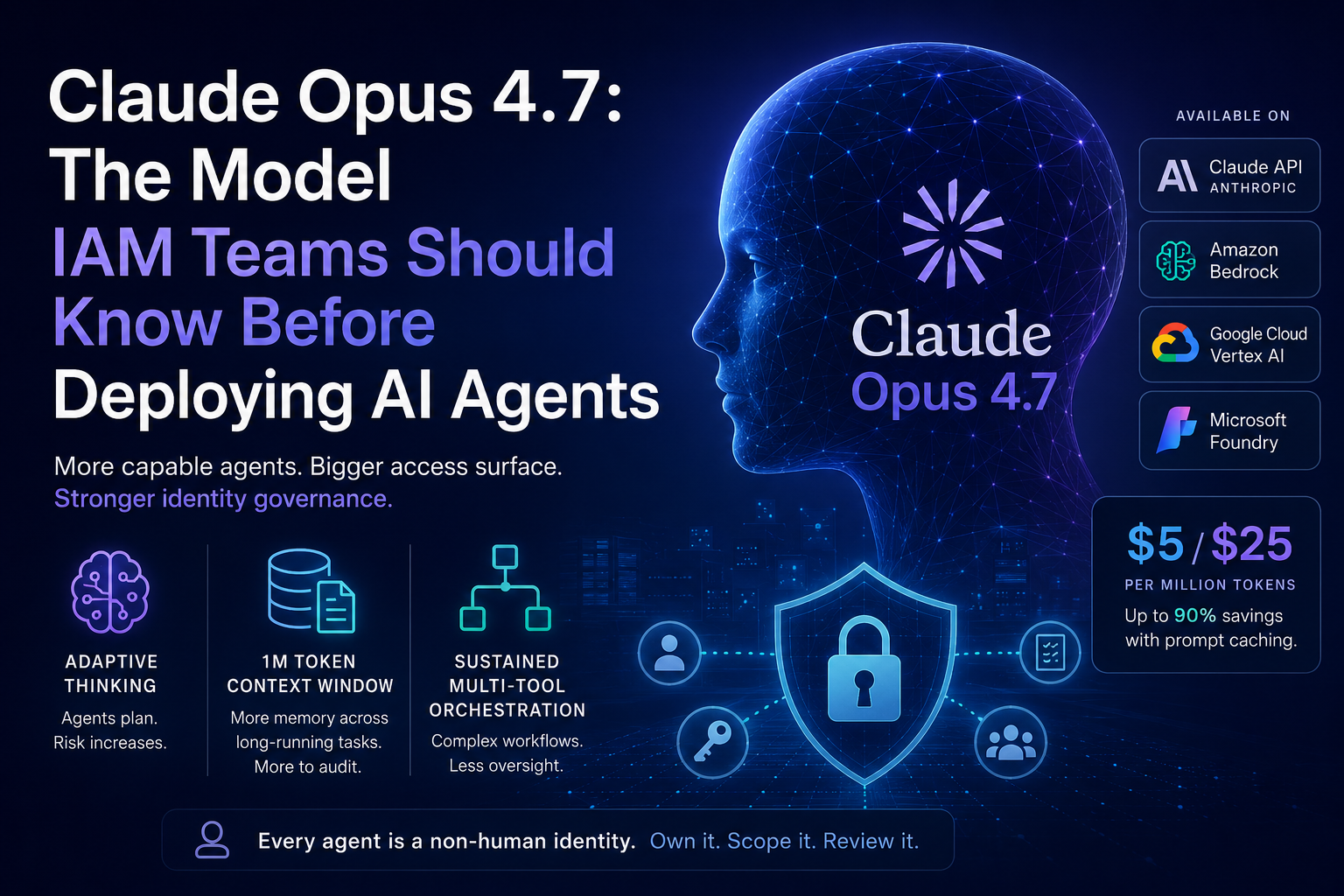
Anthropic’s Claude Opus 4.7 isn’t just a smarter model — it’s the first version purpose-built for the kind of long-running, multi-tool agentic work that identity teams are now being asked to govern. Released April 16, 2026, Claude Opus 4.7 is Anthropic’s most capable generally available model. For most use cases, the headline metrics are about…
Ping Identity has an open-source MCP server that brings PingOne tenant management into your AI-powered IDE — and its security model is worth paying attention to. Released in March 2026, the PingOne MCP Server exposes 14 tools across four capability areas — Applications, Environments, Populations, and Directory — allowing any MCP-compatible agent (Claude Desktop, VS…
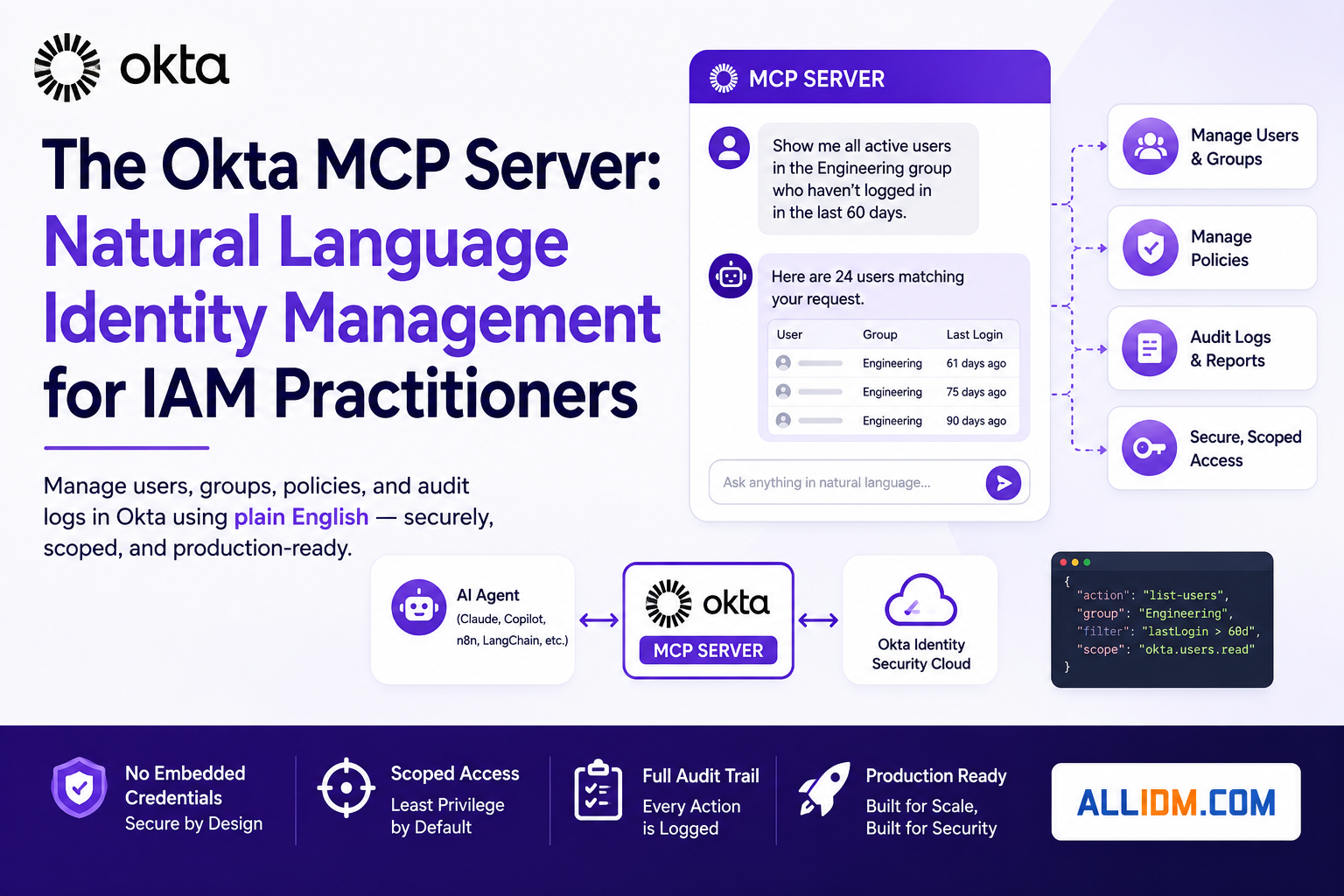
Okta has a working MCP server that lets AI agents manage users, groups, policies, and audit logs using plain English — and the security design is actually sound. Here’s what practitioners need to know before they connect it to production. Available since early 2026, the Okta MCP Server is an open-source bridge between any MCP-compatible…
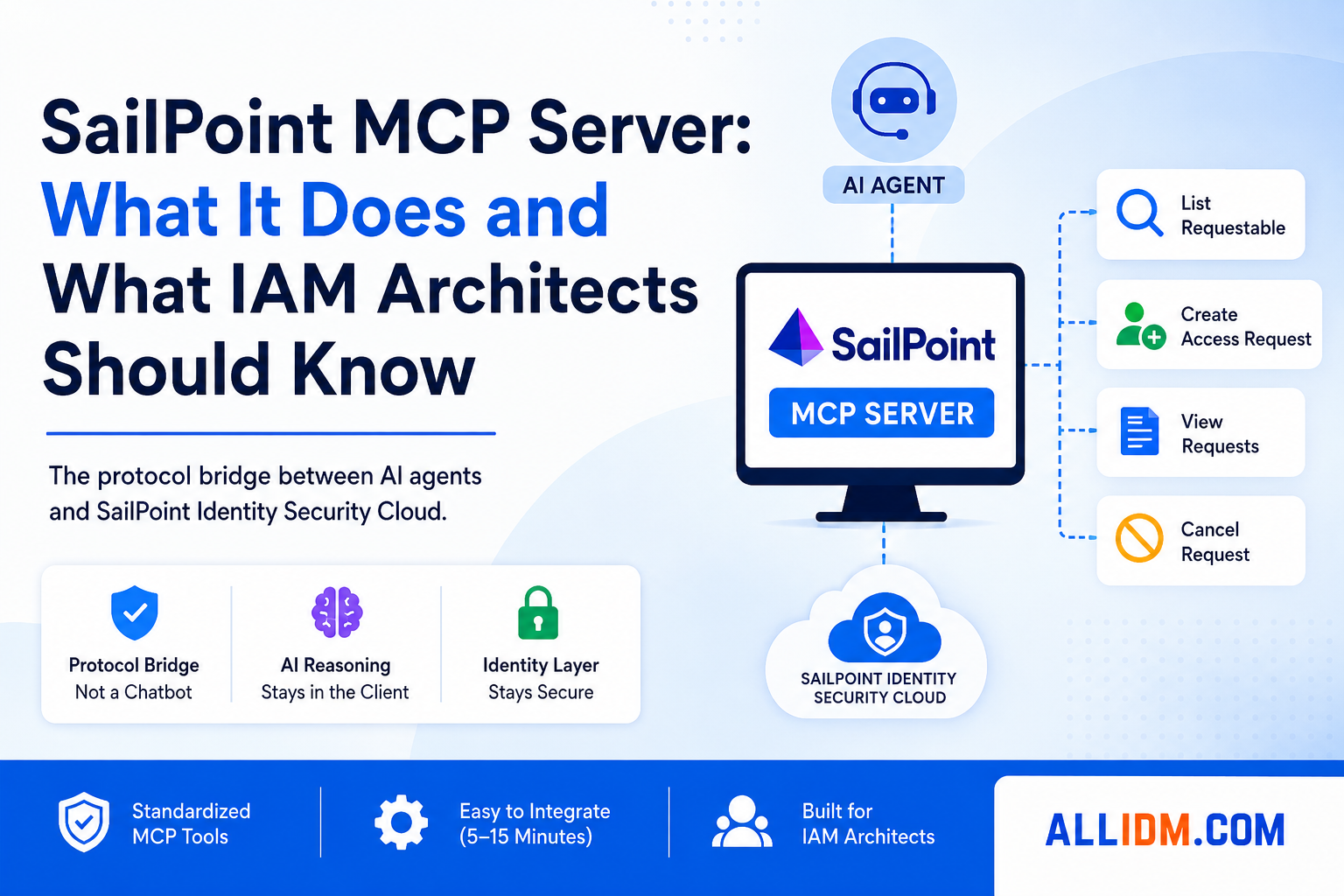
SailPoint shipped an MCP server that turns natural-language prompts into enterprise access requests — and while the concept is solid, the real story is in the architectural decisions you need to make before you connect an AI agent to your IGA platform. Generally available since September 2025, the SailPoint Model Context Protocol (MCP) Server connects…
Okta just extended Identity Security Posture Management into Claude environments — and it’s the clearest signal yet that AI platforms are the next SaaS blind spot for identity teams. On May 21, 2026, Okta announced an integration between Okta Identity Security Posture Management (ISPM) and Anthropic’s Claude Compliance API. The result: security teams now get…
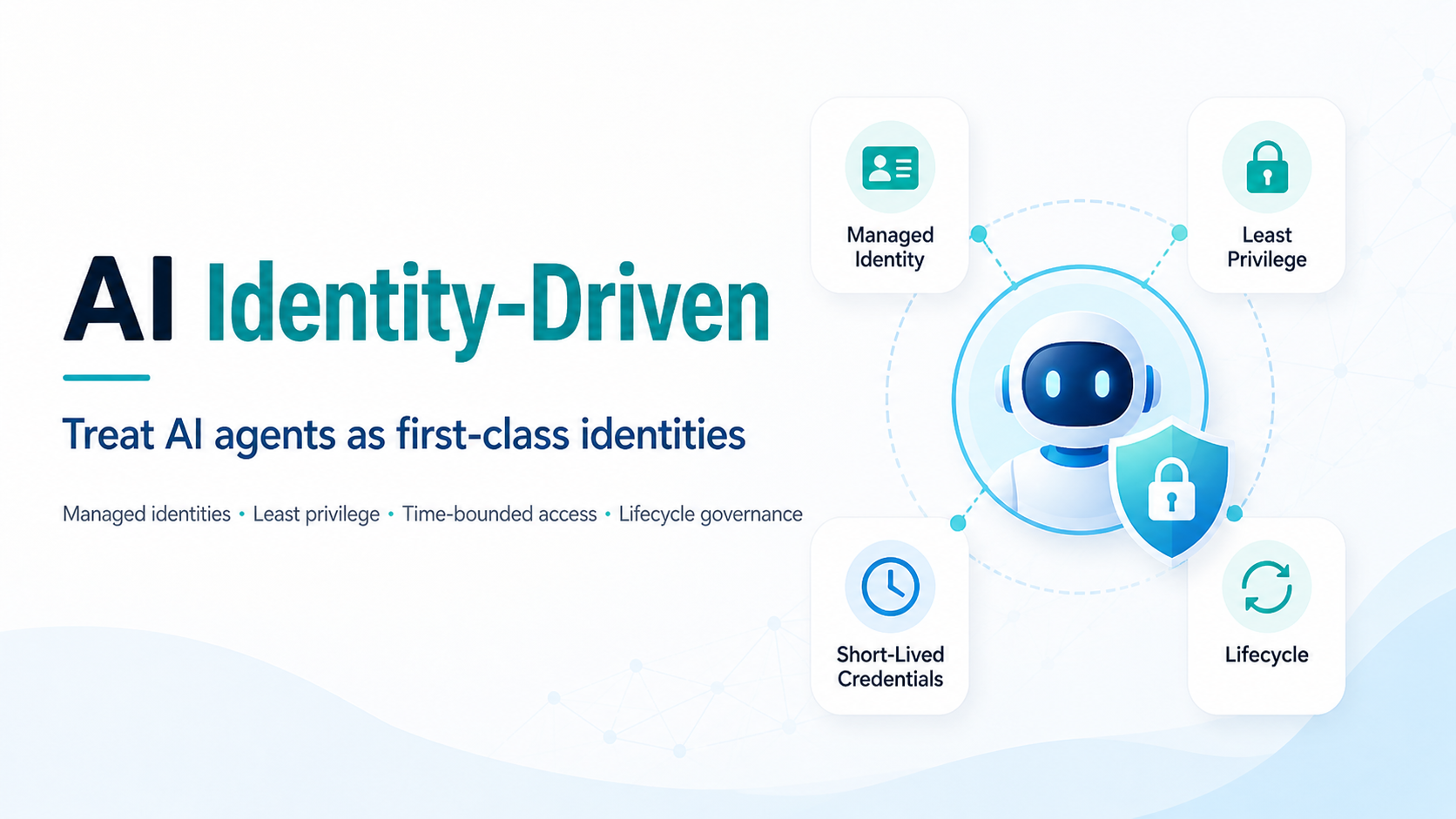
What does “AI Identity-Driven” mean? An AI Identity-Driven organization extends identity governance beyond humans and traditional machine identities by treating AI agents as first-class identity principals. Each agent is assigned managed credentials, scoped entitlements, audit trails, ownership, and lifecycle controls so its actions can be governed, monitored, and revoked with the same rigor as any…